602-805-1450
Lymphedema Treatment in Mesa, Chandler, AZ, & Nearby Areas
Lymphedema Treatment in Arizona
What Is Lymphedema?
Edema vs. Lymphedema: Knowing the Difference
Recognizing Lymphedema Symptoms and Stages
The onset of lymphedema can be subtle. Early lymphedema symptoms often include a feeling of heaviness or tightness in the limb, even before visible swelling appears. As the condition progresses, patients may notice:
- Swelling in legs or arms that may extend to the fingers or toes
- Decreased flexibility in the joints
- Tightness in clothing, jewelry, or shoes
- Thickening or hardening of the skin (fibrosis)
00
Stage 0 – Latent
01
Stage 1 – Spontaneous
02
Stage 2 – Irreversible
03
Stage 3 – Lymphostatic Elephantiasis

Causes and Risk Factors for Chronic Leg Swelling
Lymphedema is classified as either primary or secondary. Primary lymphedema is rare and caused by congenital malformations of the lymphatic system. Secondary lymphedema is much more common and is usually triggered by external damage, such as:
- Cancer Surgery – Removal of lymph nodes during breast or prostate cancer treatment.
- Radiation Therapy – Scarring from radiation can damage healthy lymph vessels.
- Infection – Parasitic infections or severe cellulitis.
- Chronic Venous Insufficiency – Over time, high pressure in the veins can overwhelm the lymphatic system, leading to “phlebo-lymphedema.”
Comprehensive Lymphedema Treatment and Management
While there is currently no cure for the condition, modern lymphedema treatment focuses on reducing swelling and preventing further damage. The gold standard of care is Complete Decongestive Therapy (CDT), which includes:

- Manual Lymphatic Drainage (MLD) – A specialized massage technique that moves fluid toward healthy lymph nodes.
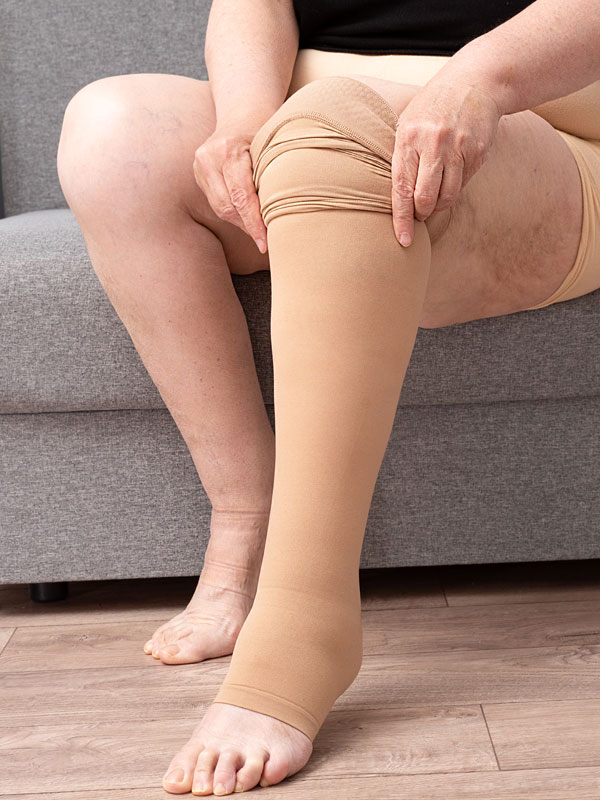
- Compression Therapy – Utilizing multi-layered bandages or custom-fitted garments to provide pressure and prevent fluid re-accumulation.
- Exercise – Gentle movements designed to use muscle pumps to assist fluid flow.
- Skin Care – Diligent moisturizing and hygiene to prevent cracks and subsequent infections like cellulitis.