602-805-1450
Non-Healing Wound Treatment in Mesa, Chandler, AZ, & Nearby Areas
Non-Healing Wound Treatment in Arizona
What Is a Non-Healing Wound?
The Link Between Poor Circulation and Wounds
Common Types of Chronic Wounds
01
Diabetic Foot Ulcers
02
Arterial Wounds
03
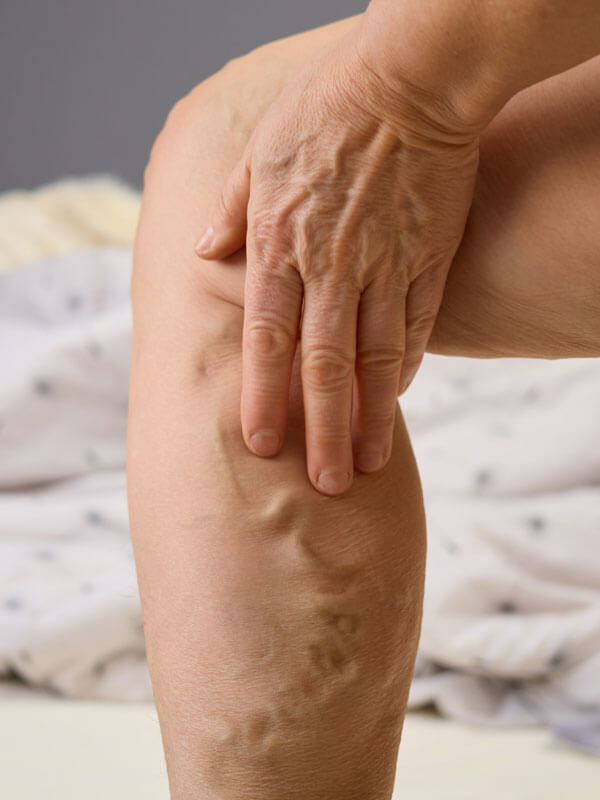
Venous Leg Ulcers

Symptoms and Risk Factors
Patients should monitor for warning signs beyond just the presence of a sore. Symptoms of a vascular-related non-healing wound include:
- Skin that is cool or cold to the touch (arterial issues)
- Dark, reddish, or “stained” skin around the ankle (venous issues)
- Swelling and heaviness in the legs
- Pain that worsens when the legs are elevated (arterial) or when standing (venous)
- An unpleasant odor or unusual drainage from the site
Risk factors for developing chronic wounds include:
- Smoking
- Diabetes
- High blood pressure
- Obesity
- Sedentary lifestyle
- Age
Diagnostic Evaluations and Treatment Approaches
Our approach to non-healing wounds begins with a comprehensive diagnostic evaluation. This often includes a non-invasive vascular ultrasound to map blood flow and identify blockages or reflux. We may also perform Ankle-Brachial Index (ABI) testing to compare the blood pressure in your arms to that in your legs. Once the underlying cause is identified, we utilize advanced treatment strategies:

- Revascularization – For arterial wounds, procedures like angioplasty or stenting can open clogged vessels to “turn the lights back on” for the healing process.
- Compression Therapy – For venous ulcers, specialized wraps help push blood back toward the heart and reduce localized pressure.
- Advanced Wound Debridement – Removing dead or infected tissue to stimulate the growth of healthy new cells.
- Endovenous Ablation – If venous reflux is the culprit, we can close the diseased vein, rerouting blood to healthier channels.