602-805-1450
Venous Insufficiency
Venous Insufficiency Treatment in Arizona
What Is Venous Insufficiency?
Key Causes of Venous Insufficiency
- Prolonged standing or sitting
- Obesity
- Hormonal changes
- Genetics
- Aging

Venous Insufficiency Symptoms
- Swelling in the lower legs and ankles, especially after prolonged periods of standing or sitting.
- Pain or aching in the legs, often described as a heavy or tired sensation.
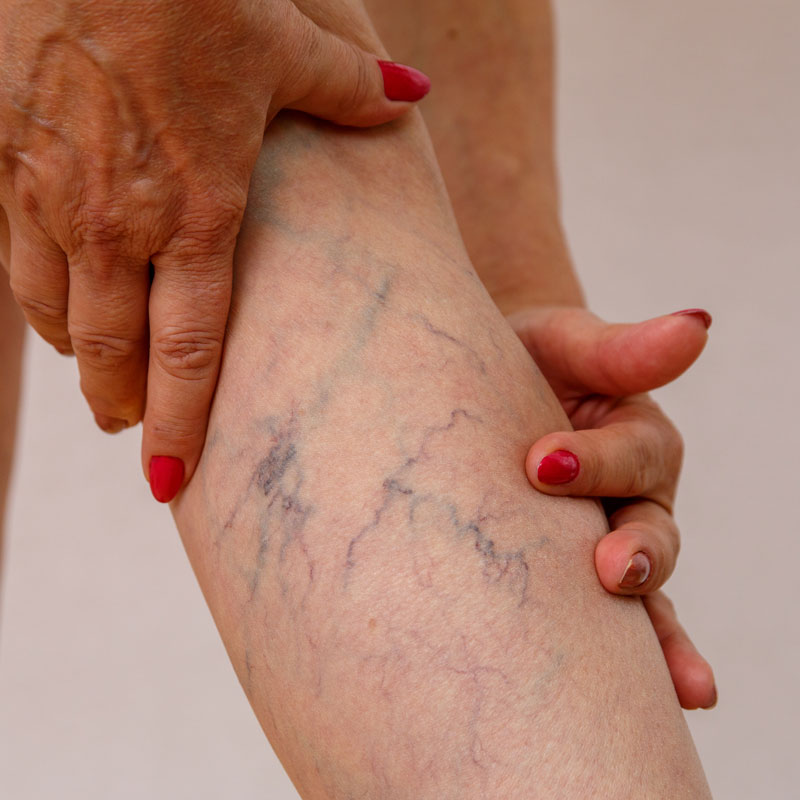
- Varicose veins, which are swollen or twisted veins visible under the skin.
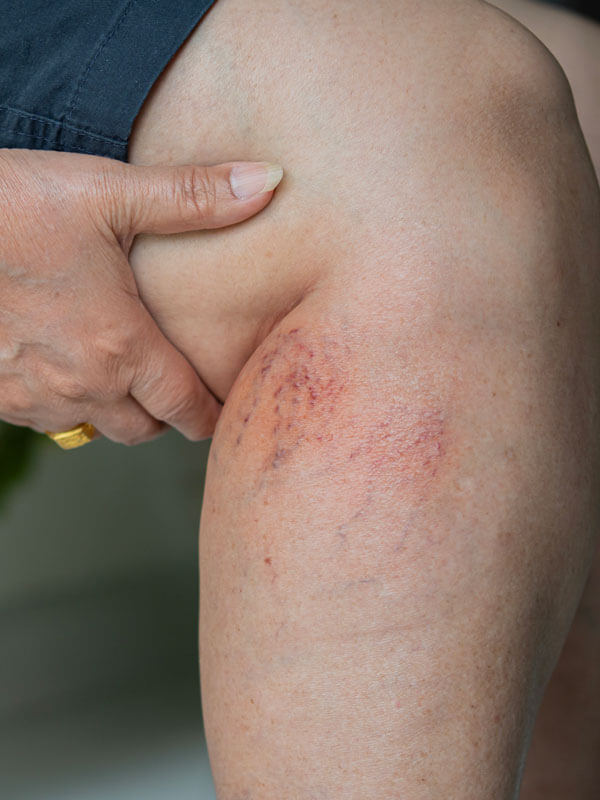
- Skin changes, including discoloration, thickening, or dryness, particularly around the ankles.
- Leg cramps or a burning, itching sensation in the affected areas.
- Slowly healing ulcers or sores on the legs, often occurring in severe cases of venous insufficiency.
Diagnosing Venous Insufficiency
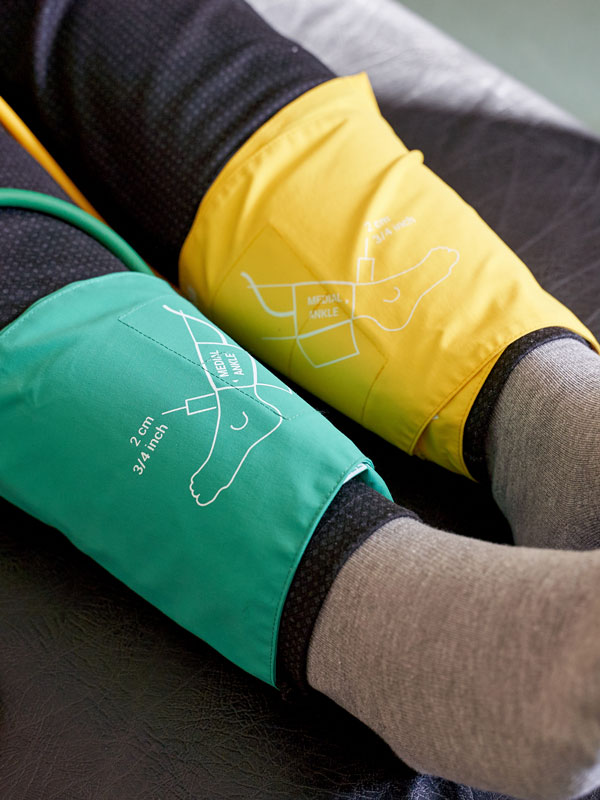
To determine whether you have venous insufficiency, our medical team will first perform a physical examination and take a complete medical history. Under most circumstances, our medical team will order some imaging tests to pinpoint the source of the problem. These tests may include a Venogram, an X-ray procedure with contrast material that shows blood flow in your veins.
We may also perform a duplex ultrasound, which is a test to see how blood moves through your arteries and veins. The test is done in the ultrasound or radiology department or in a peripheral vascular lab.

Venous Insufficiency Treatment Options

Lifestyle Changes
Minimally Invasive Procedures
01
Endovenous Ablation
03
Phlebectomy

Compression Therapy
Surgical Interventions

Preventing Venous Insufficiency