Venous Ulcer Treatments in Mesa, Chandler, AZ, & Nearby Areas

Venous Ulcer Treatments in Phoenix

Venous ulcers are sores caused by a restriction in blood flow or issues with the veins in your legs, typically near the ankle. These sores can take weeks or months to heal and put you at risk of complications like infection. At Arizona Vein and Laser Institute, we specialize in the diagnosis and treatment of venous and vascular diseases and disorders. We can make a venous ulcer diagnosis quickly and begin aggressive venous ulcer treatment. Call us today to schedule a consultation if you are exhibiting symptoms of a venous ulcer.

What Are Venous Ulcers?

A venous ulcer is an open sore that develops when the veins in the legs don’t efficiently push blood back up to the heart, causing a backup of blood in the veins, which builds up pressure. Over time, if this pressure is not treated, the excess pressure and fluid can cause the formation of an open sore. Most venous ulcers form on the leg above the ankle.

Venous Ulcer Symptoms

As blood pools in the veins of the lower leg, fluid and blood cells leak out through the skin, causing itchy, thin skin in the area. Eventually, it can lead to a skin disorder called stasis dermatitis, which is the earliest warning sign of venous insufficiency. Other early warning signs include:

  • Leg swelling, cramping, and heaviness
  • Dark red, purple, or brown skin that is hardened
  • Itching or tingling at the site

Without intervention and treatment, you are at risk of a venous ulcer. Venous ulcer symptoms include:
  • A shallow sore with a red base
  • Yellow tissue surrounding a sore
  • Unevenly shaped borders around the sore
  • Shiny, tight, warm, hot, discolored skin around the sore
  • Leg pain
  • Infection, pus, or fluid oozing from the sore
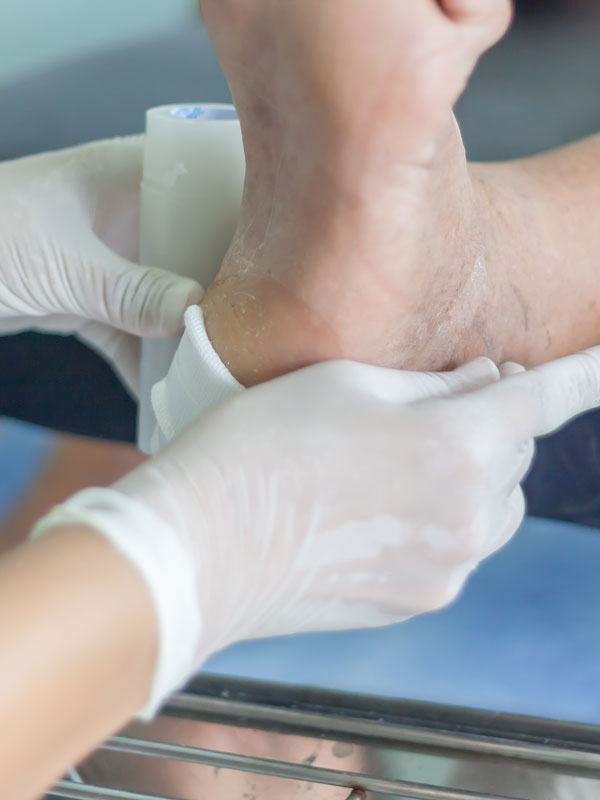
A foot with a bandage having venous ulcer treatment at Arizona Vein and Laser Institute in Phoenix

Venous Ulcer Causes

Venous ulcers are caused by high pressure in the veins of the lower leg. Each vein has a one-way valve that allows for efficient blood flow upward toward the heart. If the valves are weak or the veins are scarred or blocked, the blood flows backward and pools in the legs. This condition is called venous insufficiency. Over time, it will cause high pressure in the lower leg veins, which prevents sufficient nutrients and oxygen from getting to the tissues, causing cell death, tissue damage, and the formation of a wound or open sore.

Venous Ulcer Diagnosis

Our specialists will likely be able to diagnose a venous ulcer solely through a physical examination. We may also perform testing, including:

01

Ankle-Brachial Index

During this procedure, we take blood pressure readings of your arms and legs.

02

Doppler Study

During this procedure, we listen to the blood flow through your veins.

03

Diagnostic Imaging

Diagnostic imaging scans, such as CT scans, can identify damaged or poorly functioning valves.
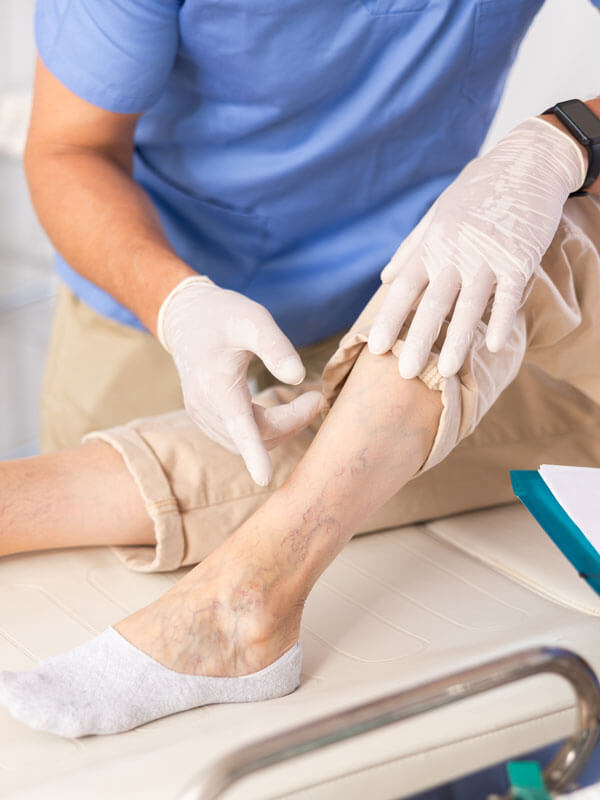
Close-up of doctor examining legs of senior woman with varicose veins, before sclerotherapy treatment

Venous Ulcer Treatment

Venous ulcers will not heal on their own. If you suspect you’re showing venous ulcer symptoms, you should make an appointment with us right away for an evaluation. Without swift venous ulcer treatment, you are at risk of infection and other complications.

The longer a venous ulcer exists, the more at risk you are for permanent tissue damage, life-threatening infections, and gangrene. We will determine the best method of venous ulcer treatment based on the size and progression of the ulcer, your health and lifestyle, and the location of the ulcer.

We may recommend:

  • Antibiotics to treat infection
  • Compression stockings or bandages
  • Antibacterial ointments
  • Pain relief
  • Nerve-calming therapies
  • Debridement to remove dead tissue and debris
  • Specialized bandages and wound dressings
  • Daily wound cleaning
  • Skin grafts
  • Venous disease treatment

You can reduce your risk of venous ulcers or prevent one from occurring again by:

  • Maintaining a healthy diet and lifestyle
  • Managing chronic conditions like diabetes
  • Losing weight
  • Stopping smoking
  • Maintaining treatment for high blood pressure
  • Taking blood thinners to prevent blood clots
  • Periodically raise your legs when seated to avoid blood pooling

Schedule a Consultation With Our Specialists

Call us today or contact us online to schedule a consultation or venous ulcer diagnosis with our specialists at Arizona Vein and Laser Institute. We have five convenient locations in Arizona, including Glendale, Surprise, Avondale, Chandler, and Phoenix. Each location is staffed with highly skilled medical specialists and cardiovascular surgeons. We specialize in diagnosing and treating vascular and venous disorders and diseases.

Venous Ulcers FAQs

Call Our Phoenix Vein and Vascular Treatment Experts to Make an Appointment

Same-day appointments are available!
Call Now