Comparing Minimally Invasive Vein Treatments: Laser vs. Radiofrequency vs. Foam
Your Options for Minimally Invasive Vein Treatments
If you have painful or visible veins, you probably have a lot of questions about your treatment options. It’s easy to feel confused by all the medical terms you hear at the doctor’s office. At Arizona Vein & Laser Institute, we offer minimally invasive vein treatments for patients in Arizona. Our goal is to help you understand the differences between laser, radiofrequency, and foam treatments so you can find relief and make the best choice for your needs.
What Are Minimally Invasive Vein Treatments?
Minimally invasive vein treatments don’t require major surgery, general anesthesia, or long hospital stays. Doctors use small incisions or needle punctures to reach the problematic veins. Many people prefer these newer methods because they cause much less pain and scarring than older procedures. Most patients can leave the office soon after their appointment and get back to their usual activities right away.
What Are the Least Invasive Options?
The best treatment for your veins depends on your specific condition. Vascular surgeons use three main techniques to close off unhealthy blood vessels. Each method works in a different way to stop the problem and help blood flow through healthier veins. Understanding how these treatments work can help explain why your doctor may suggest one option instead of another.
Endovenous Laser Therapy (EVLT) Explained
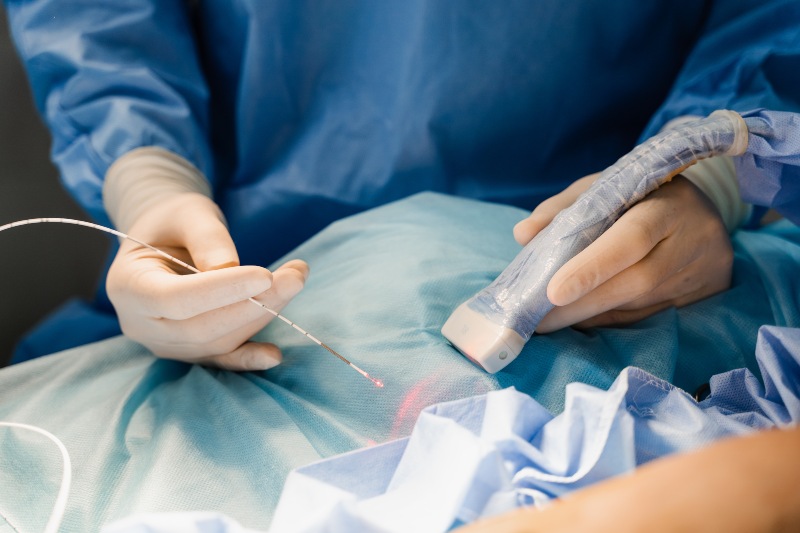
Surgeons use endovenous laser therapy to treat larger varicose veins at their source. A specialist guides a thin optical fiber into the damaged vein using ultrasound. The device sends heat to the area, causing the vein walls to collapse and seal shut. Over time, your body absorbs the closed vein and reroutes blood through healthy vessels.
Radiofrequency Ablation
Like laser treatments, radiofrequency ablation uses heat to close swollen veins. Doctors use a special catheter to send electrical currents into the damaged area, instead of using light. Many patients notice less bruising after this treatment compared to older surgical methods.
Foam Sclerotherapy
Doctors use foam sclerotherapy for veins that are twisted or branch out, which are hard to reach with regular catheters. The doctor injects a special foam solution into the vein. This chemical irritates the inside of the vein, making it swell shut and eventually disappear. The foam’s texture helps it stay in contact with the vein walls for better results.
Key Differences Between These Methods
Choosing the right treatment depends on the size and shape of your veins. EVLT and RFA are both heat-based methods that work best for straight, thick veins close to the skin. Foam injections are better for small spider veins or veins that twist and turn, where a catheter can’t reach. Your doctor will look at your veins and recommend the best option for you.
Effectiveness and Recovery Time Compared
All three treatments are very successful at relieving pain and improving how your legs look. Heat-based methods usually close large veins effectively, while chemical injections are great for smaller surface veins. You may need to wear compression stockings for a few weeks to help with healing and reduce swelling. Most people go back to work in a day or two, but you should wait for your doctor’s approval before doing hard exercise.
Tips for Choosing the Best Treatment for You
Finding the best minimally invasive vein procedure requires a thorough evaluation of your unique physical symptoms and daily routine. Keep these essential factors in mind when discussing a customized action plan with your physician:
- Consider the size and location of the affected veins.
- Think about your lifestyle and recovery preferences.
- Discuss your medical history with a vein specialist.
- Evaluate the long-term results of each option.
- Ask about potential risks and side effects.
Why Consulting a Specialist Matters
Taking care of your vein health is best done with the help of a board-certified doctor who understands how the circulatory system works. An experienced specialist uses ultrasound to find the real cause of your symptoms, not just what’s visible on the surface. If you try to choose a treatment on your own, you might not get the best results or your symptoms could come back. Working with a professional means your care plan will fit your unique needs.
Schedule an Appointment to Explore Your Options
It’s easier to start your journey to healthier legs when you have a skilled medical team supporting you. Our caring staff is here to answer your questions and give you a full checkup of your vein health. We want to help you find the best treatment without any extra stress. Contact us today to schedule your consultation and see how modern vein care can make a difference in your life.
Dealing with spider veins or varicose veins can sometimes make you want to hide your legs. However, the Arizona Vein & Laser Institute offers…
What Are The Pros And Cons of Laser Treatment?
If you’ve ever looked down at your legs and wondered whether those bulging veins or spider veins…