
Lymphedema Treatment in Mesa, Chandler, AZ, & Nearby Areas
Lymphedema Treatment in Arizona
If you’ve had lymph nodes removed or damaged, you may be at risk for lymphedema. Arizona Vein & Laser Institute provides lymphedema treatment to patients throughout Arizona. Though there is no cure for lymphedema, various treatments and therapeutic options can significantly reduce the swelling and pain caused by the internal condition. We offer a comprehensive array of lymphedema treatment options for our patients.
What Is Lymphedema?
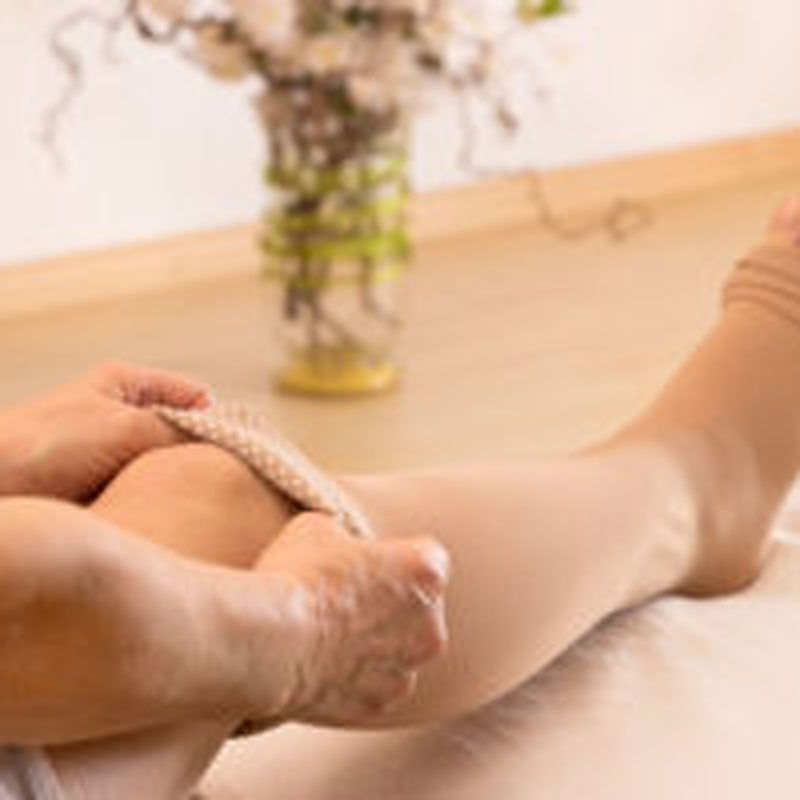
Lymphedema is a chronic condition characterized by the accumulation of lymphatic fluid in the body’s soft tissues, most commonly occurring in the arms or legs. This happens when the lymphatic system is damaged or obstructed, preventing it from properly draining fluid. Unlike temporary swelling from an injury, lymphedema requires specialized medical management to prevent progression and complications such as infections or skin changes. Understanding the nuances of lymphatic swelling is the first step toward regaining comfort and mobility.
Edema vs. Lymphedema: Knowing the Difference
It’s common for patients to confuse general edema with lymphedema. While both involve fluid retention, their origins differ significantly. General edema is often a symptom of underlying issues like heart failure, kidney disease, or prolonged standing, where fluid leaks from small blood vessels. Lymphedema, however, is a specific failure of the lymphatic drainage pipes themselves. While standard leg swelling treatment might involve simple elevation or diuretics, chronic vascular swelling treatment for lymphedema requires a more comprehensive approach to stimulate the lymphatic mapping.
Recognizing Lymphedema Symptoms and Stages
The onset of lymphedema can be subtle. Early lymphedema symptoms often include a feeling of heaviness or tightness in the limb, even before visible swelling appears. As the condition progresses, patients may notice:
- Swelling in legs or arms that may extend to the fingers or toes.
- Decreased flexibility in the joints.
- Tightness in clothing, jewelry, or shoes.
- Thickening or hardening of the skin (fibrosis).
Medical professionals categorize the condition into four stages:
- Stage 0 (Latent) – No visible swelling, but the transport capacity of the lymph system is compromised.
- Stage 1 (Spontaneous) – Pitting edema occurs, but the swelling may resolve with elevation.
- Stage 2 (Irreversible) – The tissue becomes spongy and non-pitting; elevation no longer reduces the size.
- Stage 3 (Lymphostatic Elephantiasis) – Severe swelling with significant skin changes and high infection risk.
Causes and Risk Factors for Chronic Leg Swelling
Lymphedema is classified as either primary or secondary. Primary lymphedema is rare and caused by congenital malformations of the lymphatic system. Secondary lymphedema is much more common and is usually triggered by external damage, such as:
- Cancer Surgery – Removal of lymph nodes during breast or prostate cancer treatment.
- Radiation Therapy – Scarring from radiation can damage healthy lymph vessels.
- Infection – Parasitic infections or severe cellulitis.
- Chronic Venous Insufficiency – Over time, high pressure in the veins can overwhelm the lymphatic system, leading to “phlebo-lymphedema.”
Comprehensive Lymphedema Treatment and Management
While there is currently no cure for the condition, modern lymphedema treatment focuses on reducing swelling and preventing further damage. The gold standard of care is Complete Decongestive Therapy (CDT), which includes:
- Manual Lymphatic Drainage (MLD) – A specialized massage technique that moves fluid toward healthy lymph nodes.
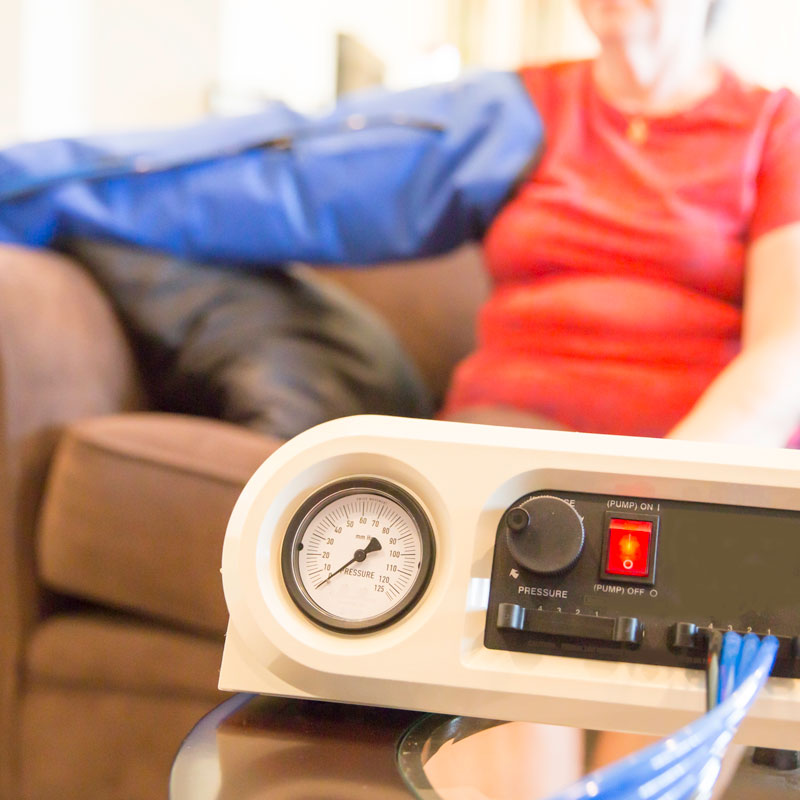
- Compression Therapy – Utilizing multi-layered bandages or custom-fitted garments to provide pressure and prevent fluid re-accumulation.
- Exercise – Gentle movements designed to use muscle pumps to assist fluid flow.
- Skin Care – Diligent moisturizing and hygiene to prevent cracks and subsequent infections like cellulitis.
Impact on Daily Life and Expectations
Living with chronic leg swelling can be physically taxing and emotionally draining. It can limit wardrobe choices, make travel difficult, and impact self-esteem. With consistent management, most patients see a significant reduction in limb volume and a return to their favorite activities. Treatment expectations should be focused on maintenance; consistency with compression garments is the most critical factor in long-term success.
Frequently Asked Questions
Generally, no. Diuretics remove water but leave behind the proteins that characterize lymphatic fluid, which can actually worsen tissue hardening.
No. While obesity can put a strain on the lymphatic system and exacerbate symptoms, lymphedema is a specific mechanical failure of fluid transport.
You should consult a specialist if you notice persistent swelling in one limb that does not go away overnight, or if you experience “pitting” (where a finger press leaves an indentation). For those seeking professional evaluation and a personalized care plan, visiting a vascular specialist is essential to differentiate between various types of circulatory issues.
Contact Us Today for Lymphedema Treatment
Arizona Vein & Laser Institute offers top-of-the-line treatment for lymphedema patients throughout Arizona. We can find the root cause of lymphedema and determine the most effective treatment for your needs. Contact us today to schedule an appointment with our medical professionals.