A Sign of Vein Disease Starting With Spider Veins
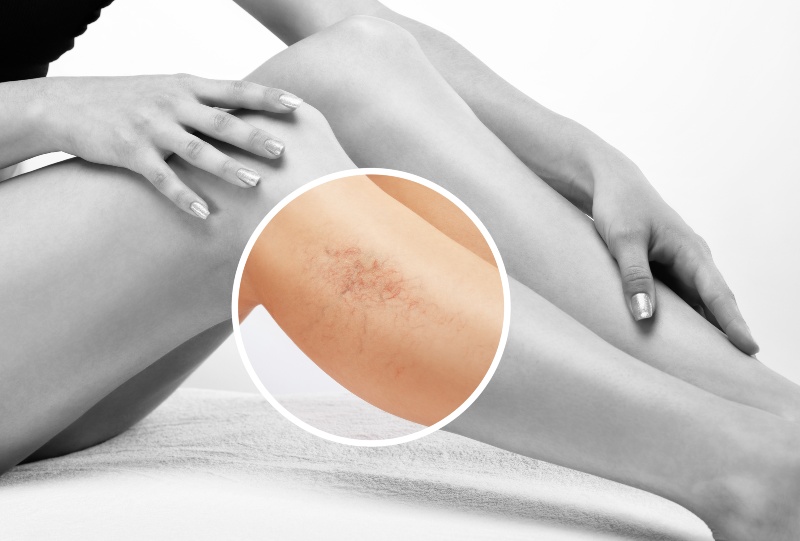
The Early Signs of Vein Disease: Spider Veins
A lot of people see those small red and blue lines on their legs and assume they are just a normal part of aging. You may think they are only a cosmetic issue. Arizona Vein & Laser Institute wants you to know the early signs of spider veins. Noticing these signs early can help you protect your circulatory health.
How Vein Disease Starts: The Early Stages
Understanding exactly how vein disease starts allows you to act before pain sets in. Your circulatory system works hard to push blood up to your heart against gravity. Tiny valves inside your blood vessels flap open and shut to keep the flow moving correctly. When these valves grow weak, blood pools in your lower extremities. This pressure stretches vessel walls and creates visible, web-like clusters on your skin. These tiny marks act as an alarm bell for your vascular health.
Spider Veins and Their Connection to Vein Disease
Spider veins are more than just a cosmetic issue. While you might think these small blood vessels are only a nuisance, they actually show that something deeper is happening in your circulatory system. Your body is warning you that pressure in your larger veins has gone up. Taking care of this early can help you avoid swollen legs and other problems later.
What Are Spider Veins Really?
These clusters are miniature blood vessels near the surface of your skin reacting to increased internal pressure. They take on a red, purple, or blue hue and spread out like tree branches. People often spot them on their calves, thighs, or ankles first. While they do not usually cause severe pain, their presence indicates your vascular system is working overtime. You should view them as a clear map showing where your circulation is taking a hit.
Venous Reflux and Its Role
The main reason for these visible veins is that the valves in your veins are not closing as they should. This lets blood flow backward instead of moving up toward your heart. You may notice symptoms of venous reflux, such as mild throbbing, occasional cramps, or a heavy feeling in your legs. This backward flow increases pressure in certain areas of your lower legs, which makes the smallest blood vessels expand and show through your skin.
Understanding the Symptoms of Chronic Venous Insufficiency
Spotting trouble early makes a massive difference in your long-term comfort. Patients frequently experience the early chronic venous insufficiency symptoms without realizing they are tied to circulatory health. You might feel a dull ache in your calves or notice your ankles swelling by dinner time. Sometimes your legs simply feel exhausted even if you have not exercised. Recognizing these clues prompts you to seek medical advice before the condition worsens.
Why Ignoring Spider Veins Can Be Risky
Brushing off these visual indicators gives the underlying vascular issues plenty of time to multiply. Left unchecked, poor circulation often leads to larger varicose veins that cause physical pain. You could eventually face severe complications like skin discoloration or difficult-to-heal arterial wounds. Early intervention stops this progression in its tracks and keeps your legs feeling light. Paying attention now saves you from extensive discomfort and aggressive treatments later.
Symptoms to Watch For Beyond Spider Veins
As circulation problems get worse, your body often gives you warning signs. Watch for early signs of vein disease, such as restless legs at night. Itching around your ankles or sudden muscle cramps during exercise can also mean your veins are under stress. Some people notice their shoes feel tight by the afternoon because of fluid buildup. Keeping track of these changes can help your doctor understand your vascular health better.
Simple Ways to Support Vein Health
Taking charge of your circulatory wellness does not require a drastic lifestyle overhaul. You can easily incorporate a few strategic habits into your daily routine to keep your blood flowing smoothly. Some simple habits include:
- Walk around every hour to promote good circulation.
- Avoid sitting or standing for long periods without movement.
- Elevate your legs when resting to reduce pressure.
- Wear comfortable, supportive footwear.
- Maintain a balanced diet to support overall vein health.
The Importance of Early Detection
Finding and treating vascular trouble in its initial stages yields the best possible outcomes for patients. An expert evaluation quickly pinpoints the root cause of your discomfort using advanced ultrasound diagnostic tools. You can then explore minimally invasive treatments like endovenous laser therapy to resolve the issue effectively. Prompt action eliminates the daily annoyance of heavy legs and dramatically reduces your risk of developing painful ulcers.
Schedule an Appointment to Protect Your Vein Health
You do not have to live with aching legs or hide behind long pants all year. The board-certified surgeons at Arizona Vein & Laser Institute possess decades of experience treating complex circulatory conditions. We offer comprehensive evaluations to get to the bottom of your symptoms quickly and accurately. Contact us today to book your consultation and take the first step toward pain-free legs.
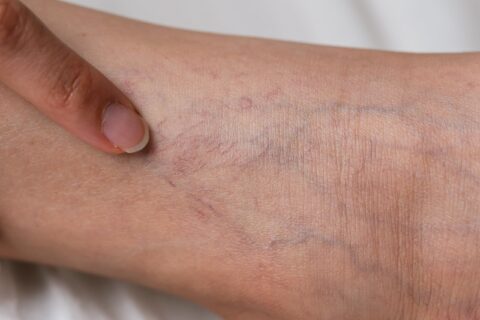
Have you noticed small red or blue lines on your legs? These thin blood vessels, just under the skin, are common and affect millions of adults…
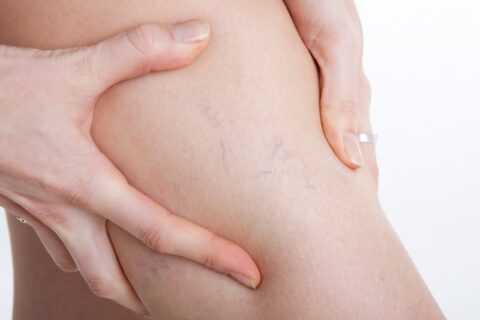
Are Spider Veins Dangerous?
Tiny red and blue lines branching across your legs often feel like a frustrating cosmetic annoyance. You might assume…