What Are the Symptoms of Bulging Varicose Veins If Untreated?
What Are the Risks of Untreated Varicose Veins?
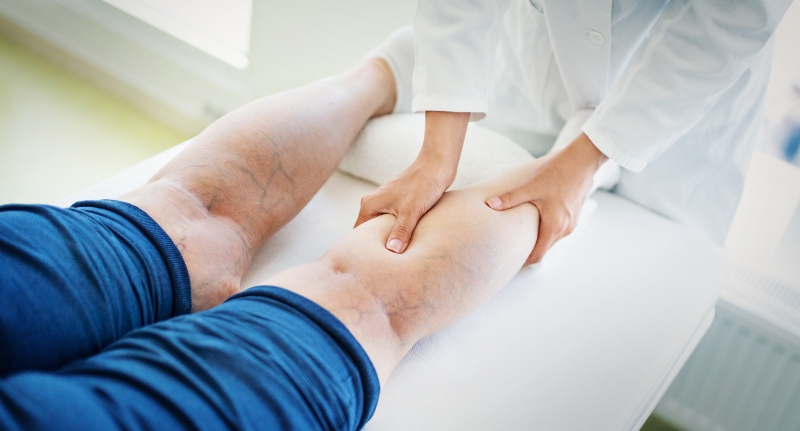
Twisted and enlarged blood vessels might seem like just a cosmetic issue. Many people ignore the dark purple veins that spread across their legs. However, these veins form when faulty valves cause blood to pool instead of moving as it should. Ignoring these early signs can lead to significant discomfort. Learning about venous disease helps you make better decisions for your health.
What Happens When Varicose Veins Are Left Untreated?
If you ignore the early signs of venous insufficiency, the condition can get worse. Over time, pooled blood increases pressure in the affected veins, making it harder for your body to move blood back to your heart. What starts as a cosmetic concern can turn into a painful medical problem that may need surgery. Getting an early vascular ultrasound can help prevent serious damage.
Breaking Down the Symptoms of Bulging Varicose Veins
To spot symptoms of bulging varicose veins, watch your legs for any physical changes. The swelling you see is only part of the problem happening under your skin. Our surgeons often see patients who waited until their daily lives were seriously affected. It’s important to notice these signs early and consider your treatment options, many of which are minimally invasive.
Persistent Leg Pain and Aching
A heavy feeling in your legs can be an early sign of chronic venous disease. Many people say varicose vein pain feels like a dull ache that gets worse after standing for a long time. This discomfort happens because extra blood stretches your veins. You might also have strong cramps at night. The pressure can push fluid into nearby tissues, causing a constant ache.
Swelling That Worsens Over Time
When pressure builds up in damaged veins, fluid can leak into your leg tissues. By the end of the day, you might feel tightness around your calves, and your shoes may feel too tight as swelling increases. This ongoing fluid buildup can make it harder to move and may harm your lymphatic system. Wearing compression stockings can help control swelling for a while.
Skin Discoloration and Changes
Over time, high pressure in your veins can cause red blood cells to leak into your skin. As your body breaks these cells down, they leave a brownish pigment called hemosiderin. The skin in these areas may look shiny and feel thicker than usual. These changes show that there is serious tissue damage from poor circulation. Once your skin changes like this, it can be hard to restore normal blood flow.
Open Sores or Ulcers
When your tissues stay swollen for a long time, they have trouble getting enough oxygen and nutrients from your blood. Even small cuts may not heal well in these conditions. Minor wounds can quickly turn into deep sores or venous ulcers. These open sores can leak fluid and cause a lot of pain. Treating them often needs special laser treatments.
Blood Clots and Vein Inflammation
Slow blood flow can lead to dangerous clots forming just under your skin. This can make the area red and sore. The inflamed vein may feel like a hard cord along your leg. Phlebitis can make it hard to move and needs quick medical attention. Treating the root cause of venous insufficiency is important to prevent these painful problems.
Complications You Do Not Want to Ignore
Ignoring your symptoms can lead to serious health problems and costly treatments. The most dangerous complications of varicose veins are deep vein thrombosis and sudden bleeding. Even a small bump can make a swollen vein burst and bleed heavily. Ongoing pain can lower your quality of life and make it hard to stay active. Our team offers complete vascular care to help restore your circulation.
Simple Tips to Support Vein Health
You can adopt several daily habits to alleviate the constant pressure on your circulatory system. These lifestyle adjustments work best when combined with professional medical guidance from our specialists. A few good ways to protect your vein health include:
- Stay active with regular walking or light exercise.
- Avoid sitting or standing for long periods without movement.
- Elevate your legs when resting to reduce pressure.
- Wear loose, comfortable clothing to improve circulation.
- Maintain a healthy weight to ease strain on your veins.
The Importance of Early Intervention
Addressing circulatory issues promptly saves you from enduring years of unnecessary suffering. Leaving untreated varicose veins to worsen guarantees a more complex recovery process. Advanced diagnostic tools allow our physicians to pinpoint the exact location of faulty valves. Early action gives you access to simple outpatient procedures instead of complicated surgeries. When you choose to take control, you can effectively prevent irreversible tissue damage.
Schedule an Appointment to Address Your Vein Concerns
You deserve to live a comfortable life, free from the burden of chronic leg pain. Our team of board-certified surgeons possess decades of experience treating complex venous disorders. We offer minimally invasive treatments designed to eliminate your discomfort and restore your mobility. Contact the Arizona Vein & Laser Institute today to book your comprehensive vascular evaluation.