A Complete Guide to Venous Reflux Disease
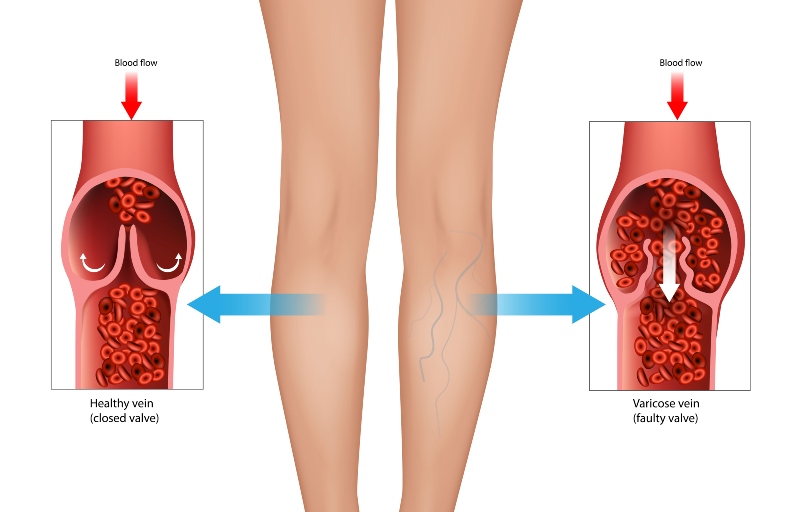
Healthy veins push blood back up to your heart, working against gravity. If the small valves in your veins stop working, blood can pool in your legs. At Arizona Vein & Laser Institute, we help many people with this problem every day. Understanding venous reflux disease can help you avoid a lot of discomfort. Sometimes, what feels like tired legs after work is actually a sign of a vein issue. Ignoring these signs can lead to more serious health problems.
What Causes Venous Reflux Disease?
Venous reflux disease occurs when the one-way valves in your leg veins become weak. When these valves stop working, gravity causes blood to flow backward. Several factors can cause this problem. Genetics are important, so if your parents had vein issues, you may be at higher risk. Getting older also weakens your blood vessels. Being overweight puts extra pressure on your veins as well.
Recognizing the Symptoms of Venous Reflux
Noticing venous reflux symptoms early can really help. Many people think their first signs are just normal tiredness. Paying attention to how your legs feel can give you important clues about your vein health. Your body often gives signals when your circulation is not working well. Here are some warning signs that mean you should see a doctor.
Persistent Leg Pain or Aching
You may feel a deep ache in your calves after standing for a long time. This pain often gets worse as the day goes on. The discomfort comes from extra pressure inside weakened veins. Do not ignore this ongoing pain, as it usually means your veins are getting worse, not just regular muscle soreness.
Swelling and Heaviness in the Legs
When blood gets trapped in your legs, fluid can leak into the nearby tissues. This causes swelling and a heavy feeling. Your shoes might feel tighter by the end of the day because of this swelling. Chronic venous insufficiency often leads to this water retention, making you feel tired even after simple activities like walking around the store.
Skin Discoloration or Changes
As the disease gets worse, the skin around your ankles may look rusty or brown. This happens because iron from trapped red blood cells stains the tissue. Your skin might also become very dry or tight. If left untreated, these changes can lead to painful wounds that need special medical care.
Visible Veins or Bulging Varicose Veins
Twisted blue veins that appear on your calves are a clear sign of vein problems. Varicose veins form when blood backs up and stretches the vein walls. Spider veins are flat, but varicose veins bulge out from the skin. These visible veins are a strong sign of circulation issues.
How Venous Reflux Is Diagnosed
Doctors need to know what is happening inside your veins to create the right treatment plan. We use a venous reflux ultrasound to check how your blood is flowing. This painless test helps us find the exact spot where your valves are not working. Getting an accurate diagnosis means we can treat the real problem.
Tips for Managing Venous Reflux at Home
Making a few targeted lifestyle tweaks can drastically reduce your daily leg pain. These practical habits support your circulation and keep your blood moving in the right direction. Some helpful steps for avoiding or managing venous reflux include:
- Stay active with regular walking or light exercise.
- Elevate your legs when resting to improve circulation.
- Wear compression stockings if recommended by a doctor.
- Avoid prolonged sitting or standing without movement.
- Maintain a healthy weight to reduce pressure on veins.
Treatment Options for Venous Reflux Disease
Nobody should have to live with constant leg pain when modern medicine offers such effective solutions. A highly effective venous reflux treatment often involves minimally invasive procedures like endovenous laser therapy. This advanced technique uses targeted light energy to gently seal off the damaged vein. Our board-certified surgeons evaluate your specific anatomical needs to tailor a highly personalized vascular treatment plan.
Schedule an Appointment to Address Venous Reflux
Taking action today prevents your vein issues from spiraling into more dangerous territory tomorrow. Our compassionate medical team stands ready to evaluate your legs and restore your quality of life. We use state-of-the-art diagnostic tools to identify the exact cause of your circulatory issues. Contact us now to schedule a comprehensive vascular screening with our experienced specialists.