Vein Treatment and Insurance: What Is Typically Covered?
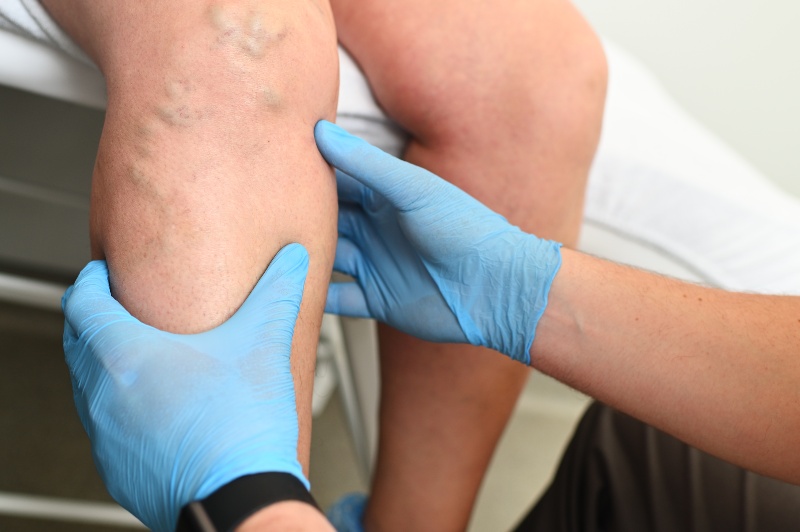
Do you want to get your veins checked but feel anxious about the cost? The Arizona Vein & Laser Institute has great news for you. Many health insurance plans pay for vein care. If your veins cause pain or stop you from enjoying your daily walk, your insurance company might step in to help.
People ask us all the time: “Does insurance cover vein treatment?” The short answer is yes. Health plans often cover procedures that fix swollen or painful veins. Our friendly team will examine your policy, explain your benefits, and help you determine your next steps.
Types of Vein Treatments That Insurance May Cover
Modern medical technology gives us many ways to treat vein issues. These treatments are quick, safe, and highly effective. As a result, several procedures are covered under standard insurance. Doctors use specialized techniques to close problematic veins so that your blood can flow smoothly through healthy ones. Here are a couple of fantastic vein treatments your plan might pay for:
- Endovenous Laser Therapy (EVLT) – This method uses gentle laser energy to close swollen veins. It’s fast, and you can go home the same day.
- Phlebectomy – Also known as vein stripping, this is the manual removal of varicose veins that haven’t responded to sclerotherapy or laser treatment.
You might also wonder, “Is sclerotherapy covered by insurance?” Sclerotherapy is a popular procedure that involves a doctor injecting a special solution into a vein to make it collapse and disappear. If your doctor uses sclerotherapy to fix a painful medical problem, your insurance will likely cover it. However, if you opt for sclerotherapy to make tiny spider veins look better, insurance may consider it a cosmetic procedure and not cover it.
What Is Considered Medically Necessary?
Insurance companies use a phrase called “medical necessity” to decide what they’ll cover. They want to make sure the treatment fixes a real health problem. If a procedure is just to make your legs look prettier, they usually insist you pay for it yourself.
Getting approved for medically necessary vein treatment is very common. But how do you know if your veins meet this rule? Your doctor will first check your legs and ask you how you feel. Insurance companies generally look for a few key signs of medical importance:
- Pain and Discomfort – Do your legs ache, throb, or feel incredibly heavy at the end of the day?
- Swelling – Do your ankles or lower legs swell, making your shoes feel tight?
- Skin Changes – Have you noticed any color changes or dry, itchy patches on your lower legs?
- Bleeding or Ulcers – Do your varicose veins bleed easily, or do you have sores that take a long time to heal?
- Failed Home Remedies – Did you try wearing compression socks, elevating your legs, and exercising for a few months without feeling better?
If you answered yes to any of these questions, your insurance provider will likely deem your treatment as a medical need. Your doctor will document all these details and send them to your insurance company, helping ensure your varicose vein treatment insurance or another type of coverage is approved.
Typical Out-of-Pocket Costs You Can Expect
Even when your insurance agrees to pay, you might still have a few small bills to cover yourself. Understanding your vein treatment cost with insurance is a smart move. It helps you plan ahead so that you can relax and focus entirely on your recovery.
Your final cost depends on the specific details of your health plan. Every insurance company has its own rules, but here are the primary elements that affect your out-of-pocket costs:
- Copayments – This is a small, set fee you must pay when you visit one of our clinics in Avondale, Chandler, Glendale, Peoria, Phoenix, or Surprise, AZ. You might pay a copay for your first checkup or for the ultrasound test.
- Deductibles – This is the amount you must pay for your medical care before your insurance starts sharing the cost. If you’ve already paid your deductible for the year, your insurance might cover the whole vein treatment.
- Coinsurance – Once you meet your deductible, you and your insurance company share the costs. For example, they might pay 80%, and you pay 20%.
Don’t worry if this sounds confusing right now. Our billing experts will give you a clear estimate before you start any treatment. You’ll know exactly what to expect, with no surprise bills later.
An Evaluation at Our Clinic Can Outline Your Options
The best way to understand your choices is to visit the Arizona Vein & Laser Institute for a professional evaluation. During your visit, our skilled doctors will examine your legs to determine how blood is flowing inside your veins.
After we learn what’s going on, we’ll build a special treatment plan just for you. We’ll also explain the available vein clinic payment options. If your treatment is cosmetic – or if you have a high deductible – we’ll help you find a great way to pay. We accept major credit cards and offer flexible payment plans to help you fit treatments into your budget.
Contact Arizona Vein & Laser Institute Today
You don’t have to live with tired, aching legs for another day. Modern treatments are incredibly easy, and your health insurance is likely willing to help cover the costs. The Arizona Vein & Laser Institute will answer your questions, communicate with your insurance provider, and provide the best possible medical care to you. Contact us in Arizona today to schedule a consultation.

If you’ve felt a little extra heaviness in your legs lately or noticed new, colorful veins on your thighs or calves and have asked yourself,…
If you’re looking for an effective way to rid yourself of varicose veins, phlebectomy, or vein stripping, could be worth considering. This…